Every Trail Tells a Story

Batiquitos Lagoon
John McKinney · The Trailmaster
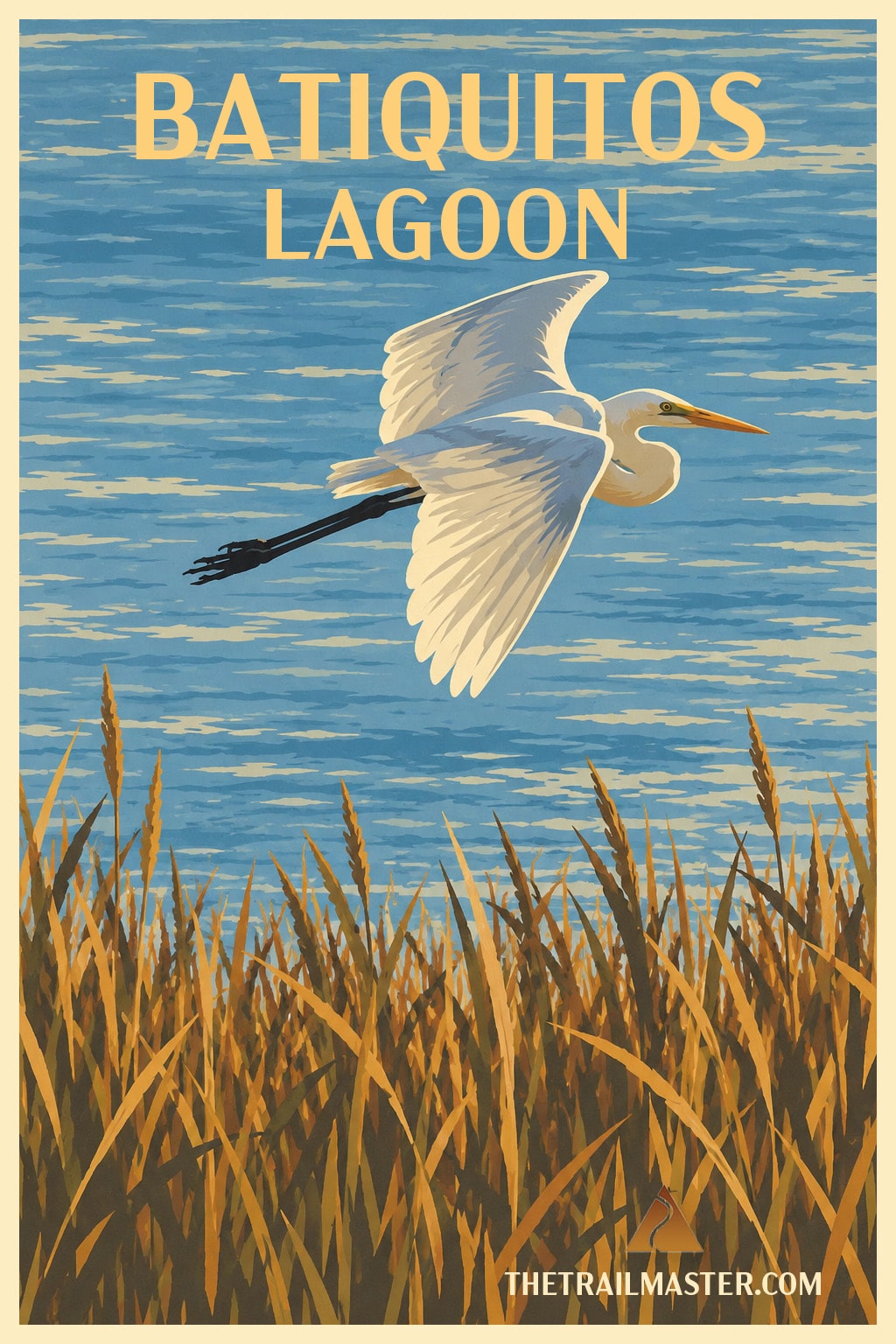
Where painters, photographers and birders all stop for exactly the same reason.
One of the SoCal Coast’s great environmental comeback stories.
Slow down. The birds aren’t in a hurry, and neither should you be.
A snowy egret stalking the shallows. A snowy plover darting across the mudflats. A red-winged blackbird clinging to a cattail while announcing its opinions to the entire lagoon. Soft morning light wrapping the marsh in a golden glow.
No wonder plein air painters love Batiquitos Lagoon.
On one memorable walk, I rounded a bend expecting another flock of shorebirds and instead found half a dozen artists quietly painting the scene before them. They had chosen well. The lagoon seems to invite people to slow down, look carefully, and appreciate the subtle beauty that often gets overlooked along Southern California’s busy coastline.
Of course, nature shares the stage with civilization. Homes overlook the marsh. Golfers chase birdies while birders chase actual birds. Interstate 5 hums nearby, but before long the sounds of red-winged blackbirds, willets and marsh wrens become far more interesting than freeway traffic.
Depending on the season, you’ll spot ducks, grebes and coots paddling the open water while willets, sandpipers and plovers patrol the muddy shoreline. Great blue herons stand motionless with remarkable patience, then suddenly strike with lightning speed. Overhead, terns flash past like feathered fighter jets.
The lagoon almost didn’t survive the twentieth century. Roads, railroad tracks and development gradually choked off the tides until Batiquitos became a shadow of the thriving estuary it had once been. At one point, developers even proposed replacing much of it with a yacht harbor and a marine theme park called Captain Nemo’s—proof that not every idea improves with brainstorming.
Then came one of California’s more improbable conservation stories. After expanding San Pedro Harbor, the Port of Los Angeles was required to compensate for destroying coastal habitat elsewhere. The result? Los Angeles ended up helping pay to restore a lagoon a hundred miles down the coast. You can debate the environmental bookkeeping, but it’s hard to argue with the results. Once the tides returned, so did the fish, the birds and much of the lagoon’s natural vitality.
The trail follows the lagoon’s north shore through coastal sage scrub dotted with California buckwheat, deerweed, lemonadeberry and the occasional prickly pear cactus. Interpretive signs explain the ecology, but the real education comes from simply standing still for a few minutes. That’s when the lagoon begins revealing itself.
The farther east you walk, the more the surroundings shift from wild marsh to suburban edge. Even so, I rarely mind turning around before the trail reaches its quieter finale. The first mile contains the lagoon’s richest rewards, and sometimes the best hikes know exactly when to leave you wanting a little more.
From Interstate 5, exit Poinsettia Lane in Carlsbad, head east, then turn right on Batiquitos Drive and right again on Gabbiano Lane to the Batiquitos Lagoon Nature Center and trailhead. Limited parking is available at the trailhead, with additional street parking nearby.
Begin at the Nature Center and follow the mostly level trail along the lagoon’s north shore. Interpretive signs, bird overlooks and ever-changing marsh scenery make it easy to linger. Turn around whenever you’ve had your fill of birds and bayside tranquility—the western half of the trail is the most rewarding.